MLB Player Props Settlement: How UK Bookmakers Grade Total Bases, Strikeouts and RBI Markets
 Available in US
I always tell UK punters who are new to baseball props the same thing: the grading rules for MLB player markets are more nuanced than for any equivalent product in football betting. In football, your goalscorer either scores or he does not. In baseball, a sacrifice fly that drives in a run might or might not count toward an RBI prop depending on your operator’s specific terms. A hit-by-pitch might or might not count toward a plate appearances threshold. These distinctions are not trivial, they can swing the outcome of a bet you were certain you had won.
Total Bases Markets: What Counts and What Doesn’t
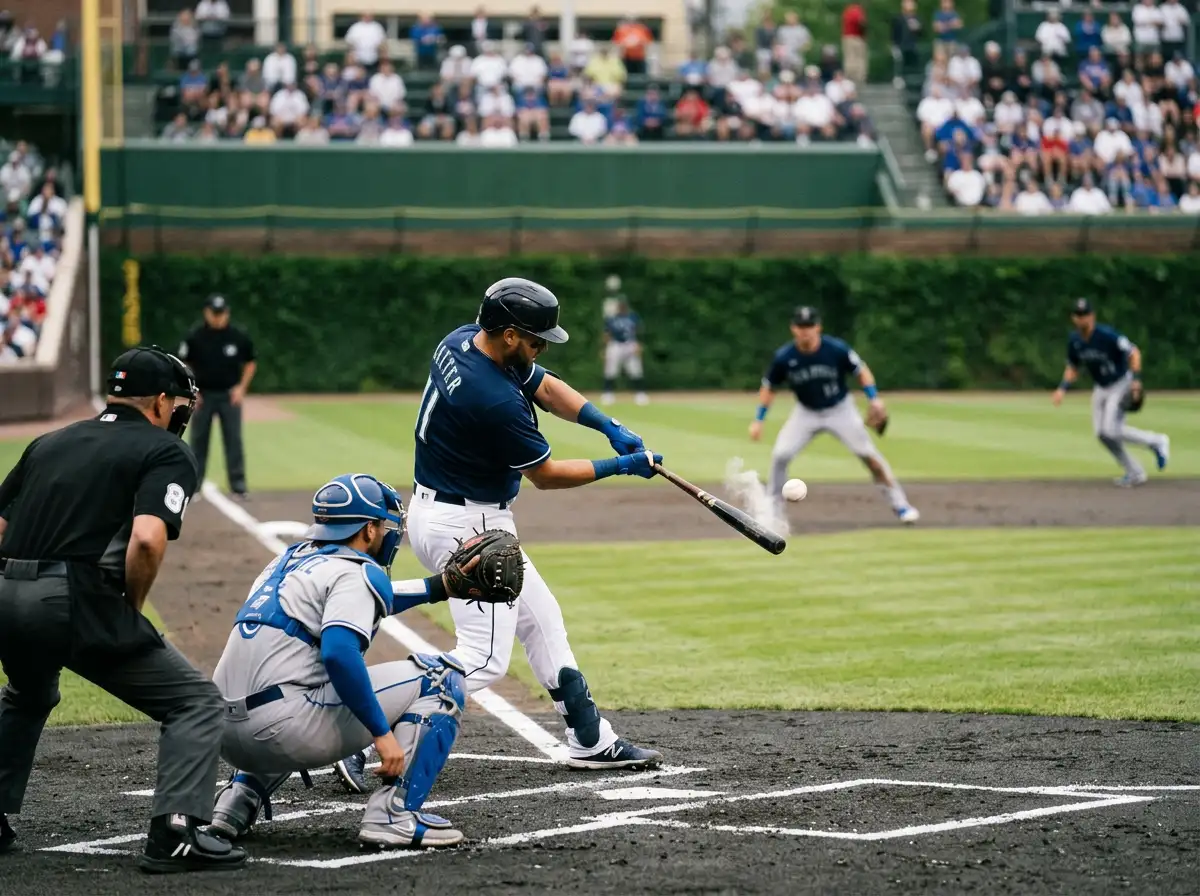
Total bases is arguably the most popular individual batter prop at UK bookmakers. The line is set on how many bases a named batter accumulates in a single game, a single counts as one base, a double as two, a triple as three, a home run as four. The over/under line is typically set at 1.5 for an average starter, higher for power hitters.
What counts toward total bases at UK bookmakers: any official hit where the batter reaches base safely, singles, doubles, triples, and home runs all count at their nominal base value. Walks do not count toward total bases. Hit-by-pitch does not count. Reaching on an error does not count, the batter must earn a hit. Stolen bases after reaching do not change the total bases calculation, it is based on the hit itself, not how far the batter ultimately advances.
What does not count: sacrifice bunts, sacrifice flies, fielder’s choice plays where the batter reaches but no hit is recorded. These are at-bats where the batter reaches base (or drives in a run) without generating a hit in the official scorer’s judgement. If you are backing a batter to go “over 1.5 total bases,” a perfectly placed sacrifice bunt that scores a runner does nothing for your bet.
Settlement timing follows official MLB scoring. Boxscore data is typically confirmed within 15-30 minutes of the game ending. Occasionally, official scoring decisions are revised after the fact, if a ball initially scored as a hit is changed to an error on review, the total bases count drops. UK bookmakers settle on the official score as published and do not retroactively revise player prop settlements unless there is a data error in the initial settlement (i.e., the operator used wrong data, not revised official scoring).
Same-game parlay data from Huddle.tech’s 2024 MLB analysis found that player prop combinations were among the most popular legs in Bet Builder products. Two-leg parlays, the most common format at 32% of all combinations, frequently combined a game result with a player performance prop. Total bases markets were among the most frequently used prop types due to their simplicity and their strong correlation potential with game-result legs.
Strikeout Props: How Innings Limits and Rain Affect Grading
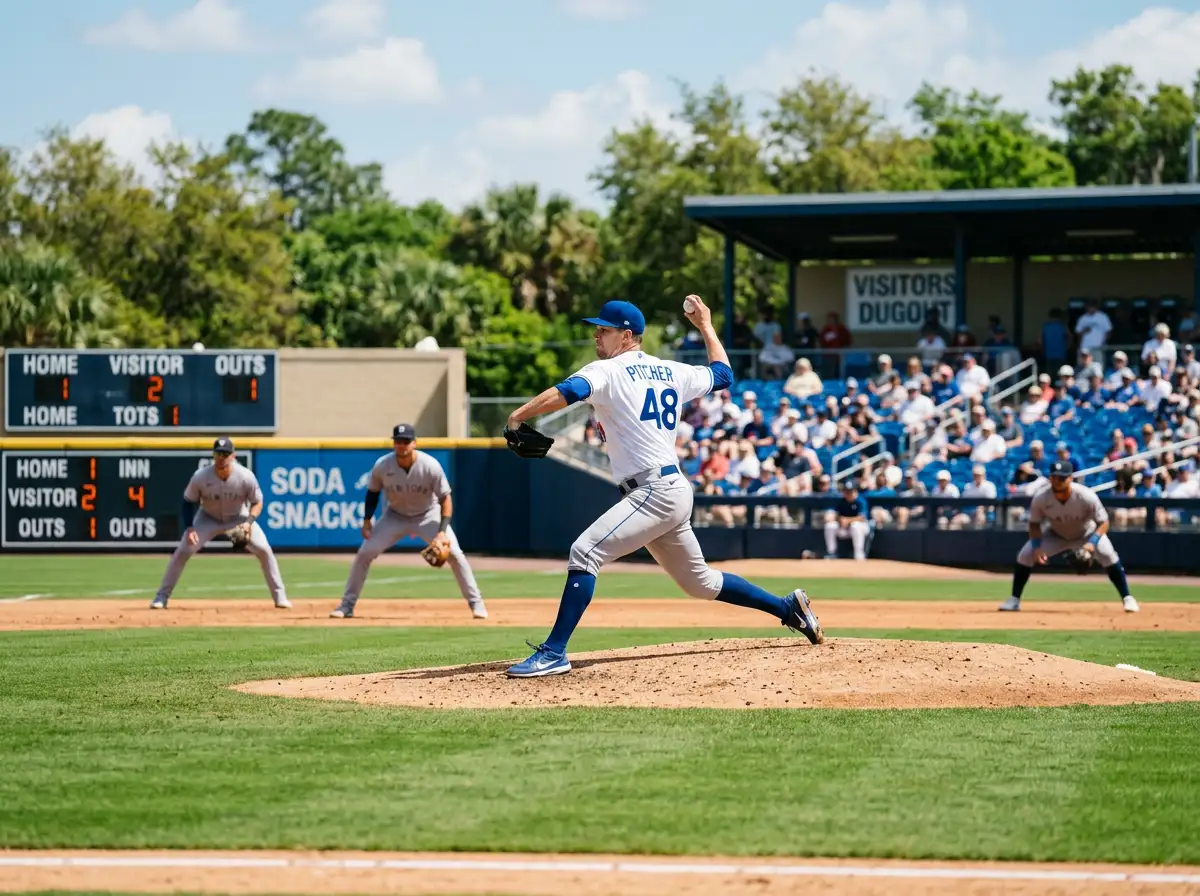
Pitcher strikeout totals are the most-traded pitcher prop at UK bookmakers, and they have a specific vulnerability: weather-shortened games can leave your prop partially completed and unresolvable.
The standard participation requirement for pitcher strikeout props is that the named pitcher must take the mound and throw at least one pitch. If the pitcher is scratched before the game starts, the prop voids. If the pitcher starts but is removed after, say, two innings, whether due to injury, weather, or managerial decision, the bet settles on however many strikeouts they actually accumulated.
This creates an interesting edge case for rain. A pitcher with a strikeout prop at “over 5.5 Ks” has a legitimate bet active as long as they take the mound. If heavy rain arrives in the third inning and the game is called before reaching official status, the game voids, and with it, the pitcher strikeout prop. Your stake is returned. But if the game reaches official status before being called (completing five innings), the prop settles on the pitcher’s final strikeout count even if they were pulled after three innings due to rain. In that scenario, a pitcher pulled with three strikeouts loses the over 5.5 prop, with no refund for the rain-shortened game.
This asymmetry — void for non-official games, settle-on-actual-result for official games — is the single most important thing to understand about pitcher prop settlement. Weather does not protect you once the game is official.
RBI and Hit Props: Settlement Rules at UK Sites
RBI (Runs Batted In) props settle on the official RBI count recorded in the official boxscore. A run batted in is credited when the batter’s plate appearance directly causes a run to score. This includes hits, walks with the bases loaded, and sacrifice flies — all of these produce official RBIs.
The sacrifice fly question is one I receive regularly. Yes, a sacrifice fly counts as an RBI at UK bookmakers for the purposes of RBI props. The batter is credited with an RBI even though they recorded an out. If your bet is “Player X over 0.5 RBIs” and he hits a sacrifice fly in the third inning, that is an official RBI and the bet wins. The scoring rule is clear on this and all major UK operators align with the official MLB definition.
Hit props work straightforwardly: a hit is a single, double, triple, or home run where the official scorer records it as a hit (not an error, not fielder’s choice). “Player X over 0.5 hits” means at least one official hit. The minimum participation requirement is the same — the player must appear in the game. A player who enters as a pinch hitter in the eighth inning and records a hit satisfies the participation requirement, even though they were not in the starting lineup, as long as the bet’s participation language does not specifically require “starts the game.”
One area where operators’ rules genuinely diverge: whether hit-by-pitch counts toward an “on-base” prop if one is offered. Most UK operators follow the standard on-base percentage definition (which includes HBP as an on-base event), but some treat on-base props as hit-based only. Check the specific market description before betting on an on-base product.
For the full context on how player prop bets work at UK operators — including the participation requirement framework, same-game parlay rules for props, and what happens when a player is scratched — the complete guide to MLB prop bets for UK punters covers the mechanics in depth.
Player Props Settlement FAQs
Does a sacrifice fly count as an RBI in MLB prop bet grading at UK bookmakers?
Yes. A sacrifice fly is an official RBI — the batter is credited with an RBI even though they recorded an out. UK bookmakers follow the official MLB statistical definition for RBI prop grading. A batter who hits a sac fly in any inning has an official RBI recorded in the boxscore, and any RBI prop bet settles on that official count.
If a pitcher is removed after 3 innings due to rain, does my strikeout prop bet stand?
It depends on whether the game reached official status. If the game reached the official game threshold (4.5 or five innings) before being called, all props settle on the official statistical results — including the pitcher’s actual strikeout count, even if they were pulled in the third. If the game did not reach official status and is declared void, all prop bets including strikeout props are also voided and stakes returned.
Do hit-by-pitch appearances count towards a batter’s plate appearance requirement for prop bets?
At most UK operators, hit-by-pitch counts as a plate appearance for participation requirements — meaning a batter who enters and is hit by a pitch has technically participated in an at-bat and their props are active. However, hit-by-pitch does not count as a hit or as a total base for statistical prop purposes. It is participation-qualifying but not result-contributing for hit or total bases markets. Some operators have specific language on this; always check the market description if plate appearance requirements are relevant to your bet.
Published by the mlb Betting Rules team.