MLB In-Play Betting Rules: How Live Baseball Wagers Work at UK Bookmakers
 Available in US
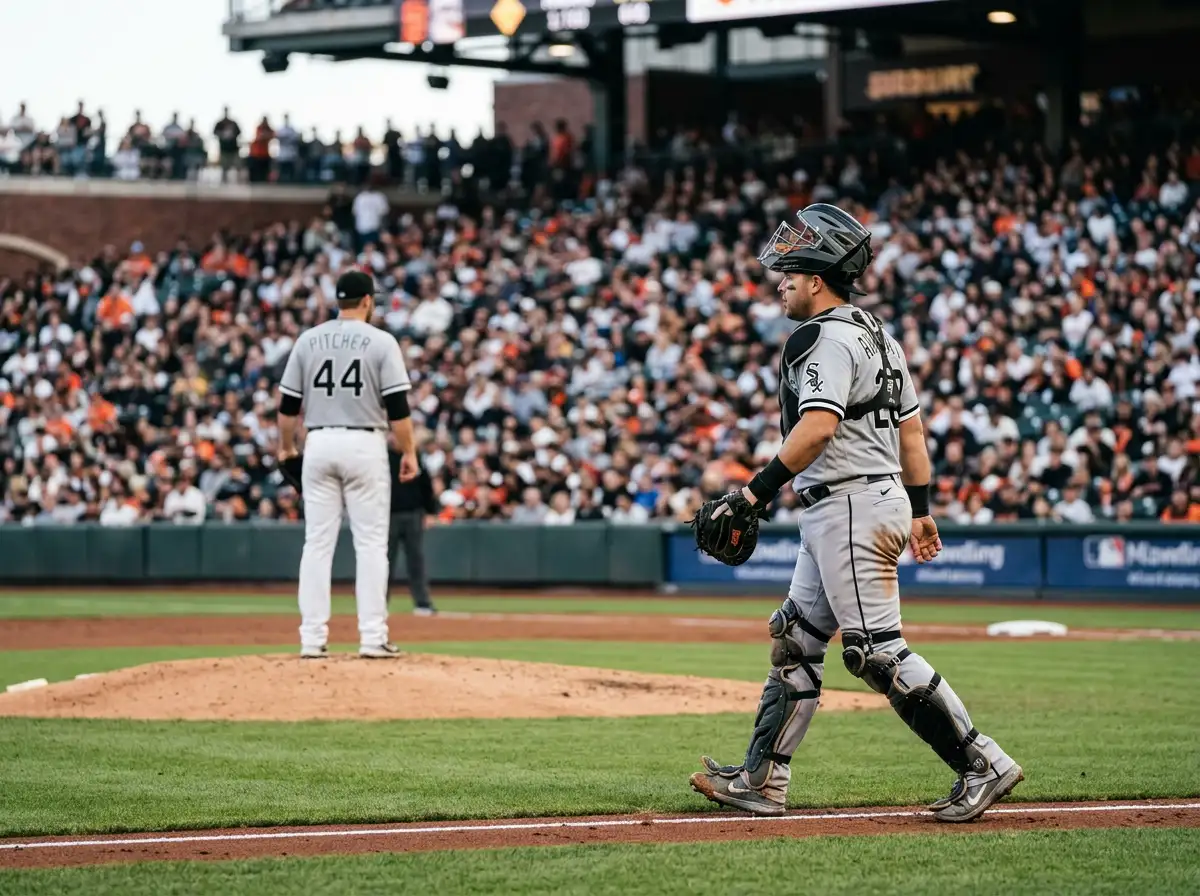
In-play MLB betting is simultaneously the most exciting and the most frustrating betting experience I have encountered in nine years in this niche. The game is fast-paced once you know it, but the market dynamics are unlike any other sport UK bettors typically deal with. The frequent suspensions, the half-inning structure, the pitch-by-pitch volatility, it all adds up to a very specific set of rules and behaviours that take some getting used to. Here is what you need to know before placing your first live baseball wager.
Why MLB Live Betting Is Suspended Between Pitches
The most common question from UK punters who have only bet on football in-play: why is the market suspended so often? In football, you can bet almost continuously while the game is live. In MLB in-play, markets suspend every 15-30 seconds and often stay suspended for longer.
The core reason is information asymmetry. In a baseball game, a single pitch can completely change the state of play in a way that has no real equivalent in football. A home run ends the at-bat immediately and changes the score, the leverage, and the probability model in one moment. If bets could be placed in the window between a pitch being delivered and the ball reaching the catcher, someone with a faster live feed (say, a stadium attendee watching in real time rather than a 5-second delay broadcast) could bet after they knew the outcome but before the market processed it. This is called “courtsiding” in tennis and is a known exploit. Baseball’s pitch-by-pitch structure makes it even more vulnerable.
UK operators suspend in-play MLB markets as a standard risk control measure. The suspension window covers pitch delivery and the immediate aftermath, the time it takes for the official data feed to register the pitch result, update the probability model, and set new prices. During that window, no bets are accepted. Once the new prices are set and confirmed, the market reopens briefly for the next pitch cycle.
The pitch clock, introduced in 2023 and maintained in 2026, has shortened game times considerably. Average game time fell from around three hours in pre-pitch clock MLB to closer to 2.5 hours. This faster pace compresses the in-play market timeline, the same number of suspension windows packed into less time. For in-play bettors, this means more price movements per hour and a faster decision pace than the old format required.
Around 6% of UK adults bet on live football in-play in any given quarter according to Gambling Commission survey data, it is the most popular in-play product in the UK. MLB in-play is a much smaller market, but it attracts a specific type of serious bettor who appreciates the analytical depth of the sport. The market offers genuine edge for those willing to learn the game, partly because the audience is more limited and market liquidity is lower than in football.
Settlement Timing for In-Play MLB Markets
In-play bets on MLB markets follow the same settlement rules as pre-game bets, the official game threshold, extra innings inclusion, action pitchers, but the settlement trigger is the same: the final official result of the game. An in-play bet you place in the seventh inning does not settle after the seventh inning; it settles when the game ends, exactly as if you had placed it before first pitch.
The exception is inning-specific markets, which are available in-play at some UK operators. A bet on “who scores first in the sixth inning” or “total runs in the seventh inning” settles immediately when that inning concludes. These micro-markets have become more common at Betfair Exchange and bet365 for featured games and have their own settlement logic — entirely inning-contained rather than game-level.
One nuance specific to in-play: if you place a bet on an in-play market and the game is subsequently suspended before the bet’s settlement condition is met, your bet status depends on whether the game becomes official. An in-play moneyline bet placed in the third inning follows the same void conditions as a pre-game bet — if the game never becomes official, the bet voids regardless of when in the game you placed it.
Cash Out Rules During Live MLB Games
Cash-out availability during live MLB is at its most dynamic between innings rather than between pitches. The market has the most stable pricing when a half-inning has just concluded and teams are changing sides — the state of play is cleanest at that moment, and the cash-out algorithm can generate a reliable price.
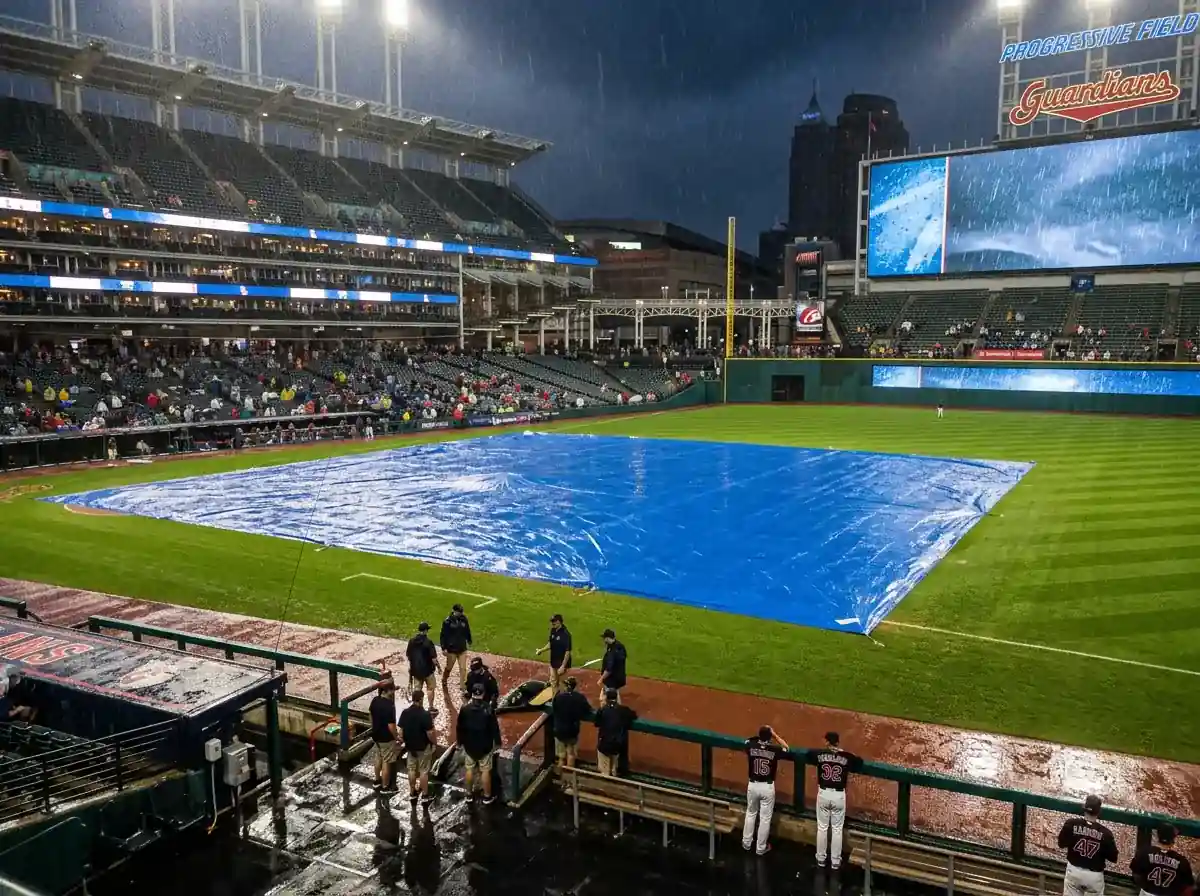
During a rain delay, cash-out availability is typically suspended alongside the market. If play is halted and official suspension is declared, the operator cannot reliably price cash-out without knowing whether the game will resume. Most UK operators suspend cash-out during declared rain delays and restore it when play resumes, or process it at the last accepted price if the game becomes non-official.
The 76% mobile usage rate among 18-24 UK bettors — Gambling Commission data via Limelight Digital — means most in-play MLB betting happens on phones. This matters practically: mobile betting is fine for pre-game wagers, but the small screen, network latency, and touch-input delay all create execution risk in fast-moving in-play markets. In-play MLB bets on mobile may be a fraction of a second behind desktop execution, which matters when markets are briefly open between pitch suspensions.
For a comprehensive look at how moneyline settlement works across all scenarios — including the specific rules around extra innings and how UK operators differ from US books — the guide to MLB moneyline betting for UK punters covers the full framework.
In-Play MLB FAQs
Why are MLB in-play markets suspended so frequently compared to football?
Baseball’s pitch-by-pitch structure creates information asymmetry risk that football’s continuous play does not. Each pitch can immediately change the game state (home run, strikeout, walk) before the market can process and re-price. UK operators suspend markets during pitch delivery and the immediate aftermath to prevent bets being placed after the outcome is known by those with faster data feeds. The pitch clock has made games faster but has not changed this fundamental suspension logic.
Can I cash out an in-play MLB bet during a rain delay?
Usually no — or not reliably. When umpires declare a rain delay and play is officially suspended, UK bookmakers typically suspend both in-play markets and cash-out functionality. The uncertainty about whether the game will resume makes it impossible to generate a reliable cash-out price. If the game resumes, markets and cash-out reopen. If the game is called non-official, bets void and cash-out becomes irrelevant. If the game was already official before the delay and is not resumed, settlement may trigger based on the official result at suspension.
If the in-play market is suspended when I try to bet, does my bet at the last offered price stand?
No. If the market is suspended when you attempt to place a bet, your bet will not be accepted. You will typically see a message that the market is currently suspended or that your bet could not be processed. This is by design — the suspension exists precisely to prevent bets being accepted at prices that no longer reflect the current game state. Your bet is not placed until the market reopens and you resubmit it at the then-current price.
Written by the editors at mlb Betting Rules.